

A hydraulic breaker works under constant impact, high pressure and demanding jobsite conditions. Inside the breaker, the hydraulic breaker piston is responsible for transferring hydraulic energy into powerful impacts on the working tool.
Because of its critical role, piston damage can significantly affect breaker performance. Reduced impact power, abnormal noise, internal scoring, excessive vibration and unexpected downtime may all be related to problems inside the power cell.
Fortunately, many cases of hydraulic breaker piston damage can be reduced through correct operation, proper maintenance and regular inspection.
In this article, Yantai Rocka explains the most common causes of hydraulic breaker piston damage and how operators can help protect this important component.
What Causes Hydraulic Breaker Piston Damage?
Hydraulic breaker piston damage does not usually happen without warning. In many cases, the problem develops gradually because of incorrect operating conditions, poor maintenance or excessive wear of related components.
The following are some of the most common causes.
1. Incorrect Hydraulic Oil Flow and Pressure
Every hydraulic breaker is designed to operate within a specific range of oil flow and working pressure.
If the excavator provides too much or too little hydraulic oil flow, the breaker may not operate efficiently. Excessive pressure or incorrect system settings can also place unnecessary stress on internal components.
Before installation, check that the breaker matches the excavator’s:
- Hydraulic oil flow
- Working pressure
- Relief valve settings
- Hydraulic hose size
- Recommended carrier weight
A properly matched hydraulic system helps the piston move under the intended operating conditions and reduces the risk of abnormal internal loading.
2. Dry Firing the Hydraulic Breaker
Dry firing is one of the operating habits that can shorten the service life of a hydraulic breaker.
It happens when the breaker is activated without sufficient pressure between the working tool and the material. Instead of transferring impact energy effectively into the material, unnecessary shock can be transmitted back through the breaker.
Repeated dry firing may contribute to accelerated wear of the piston, tool, bushings and other internal components.
To reduce this risk, always apply sufficient downforce and make sure the chisel is properly positioned before operating the breaker.
3. Excessive Side Loading
A hydraulic breaker is designed to work primarily along the direction of the tool.
When the breaker is operated at a severe angle or used to push, pry or move material, side forces can be transferred to the working tool and internal components.
This may lead to:
- Uneven tool wear
- Bushing damage
- Increased internal friction
- Abnormal piston loading
Whenever possible, keep the breaker aligned with the material. If the working position changes, reposition the excavator rather than forcing the breaker sideways.
4. Contaminated Hydraulic Oil
Clean hydraulic oil is essential for reliable breaker operation.
Dust, metal particles, water and other contaminants can circulate through the hydraulic system and damage precision components. Over time, contamination may cause scratches, abnormal wear and reduced operating efficiency.
To protect the hydraulic breaker:
- Check hydraulic oil regularly.
- Replace filters according to the recommended maintenance schedule.
- Keep hose connections clean during installation and servicing.
- Repair damaged hoses or leaking connections promptly.
A clean hydraulic system helps protect not only the breaker piston but also the valve and other hydraulic components.
5. Insufficient Lubrication
Although grease is mainly applied around the working tool and bushings, proper lubrication also helps maintain the overall working condition of the breaker.
Insufficient grease can increase friction between the tool and bushings. Excessive wear in this area may create additional movement and vibration during operation.
Regular lubrication helps:
- Reduce friction
- Slow down bushing wear
- Protect the working tool
- Maintain proper clearances
- Reduce unnecessary vibration
Operators should follow the recommended lubrication intervals and use grease suitable for hydraulic breaker applications.
6. Worn Tools and Bushings
The piston does not work independently. The condition of surrounding components can directly affect the entire impact system.
A heavily worn chisel or excessive clearance between the tool and bushings can create abnormal movement during operation. If this condition continues for a long period, internal components may experience additional stress.
Regular inspection should include:
- Chisel condition
- Tool diameter
- Bushing wear
- Retaining pins
- Signs of cracking or deformation
Replacing worn parts before they fail can help prevent more serious damage to the hydraulic breaker power cell.
7. Incorrect Nitrogen Pressure
For hydraulic breakers that use nitrogen gas, correct pressure is important for stable impact performance.
Nitrogen pressure that is outside the recommended range can affect how the breaker operates. This may result in reduced performance, irregular impact or unnecessary stress on internal components.
Nitrogen pressure should be checked according to the specifications for the specific breaker model.
Always use appropriate equipment and follow the manufacturer’s recommended procedures when checking or charging nitrogen.
8. Excessive Operating Time Without Inspection
Hydraulic breakers are often used in demanding environments such as demolition, quarrying, road construction and rock breaking.
Long working hours increase the importance of regular inspection.
Operators should stop and check the breaker if they notice:
- Reduced impact power
- Unusual noise
- Excessive vibration
- Hydraulic oil leakage
- Abnormal heating
- Irregular striking
Continuing to operate a breaker with obvious warning signs can turn a minor maintenance issue into major internal damage.
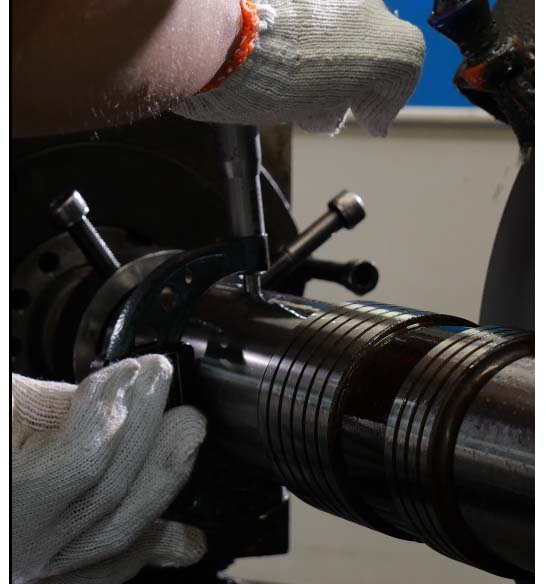
Daily Tips to Protect Your Hydraulic Breaker Piston
A simple maintenance routine can make a significant difference in hydraulic breaker service life.
Before and during operation, check the following:
Before Starting
- Inspect hydraulic hoses and connections.
- Check for oil leakage.
- Inspect the working tool and retaining components.
- Make sure the breaker is correctly mounted.
- Confirm that hydraulic settings match the breaker requirements.
During Operation
- Keep the breaker aligned with the material.
- Avoid unnecessary dry firing.
- Do not use the breaker as a lifting or prying tool.
- Avoid excessive side loading.
- Monitor abnormal noise and vibration.
After Operation
- Clean the breaker and inspect visible components.
- Check the condition of the working tool.
- Apply grease according to the maintenance requirements.
- Inspect for oil leaks or damaged hoses.
- Record any unusual changes in performance.
When Should a Hydraulic Breaker Piston Be Inspected?
A piston should be inspected when the hydraulic breaker shows abnormal operating symptoms.
Common warning signs may include:
- Reduced impact energy
- Irregular striking
- Abnormal internal noise
- Metal particles found during maintenance
- Excessive vibration
- Damage to related internal components
Early inspection can help identify wear or damage before a complete power cell failure occurs.
For internal inspection and repair, it is important to follow the correct service procedures and use suitable replacement components.
Choosing the Right Hydraulic Breaker Replacement Parts
When piston replacement or power cell repair is required, correct part compatibility is essential.
A replacement piston should match the dimensions, specifications and working requirements of the hydraulic breaker model. Using incorrectly sized or poorly matched components can affect internal clearance and operating performance.
Depending on the breaker model, replacement parts may include:
- Hydraulic breaker pistons
- Cylinders
- Front heads
- Back heads
- Valves
- Seal kits
- Bushings
- Chisels and other working tools
Using reliable and properly matched hydraulic breaker parts can help maintain stable performance and reduce unnecessary downtime.
Reliable Hydraulic Breaker Parts from Yantai Rocka
Yantai Rocka specializes in the manufacturing of excavator attachments and hydraulic breaker components for customers in international markets.
Our product range includes hydraulic breakers, hydraulic post drivers, hydraulic grapples, compactors, quick hitches and related excavator attachments.
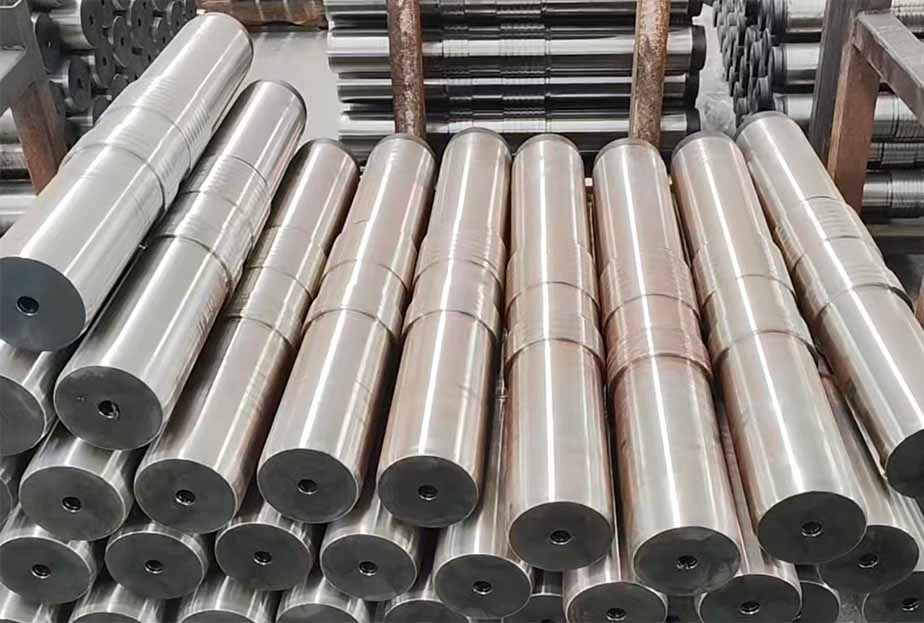
We also provide a range of hydraulic breaker replacement parts, including hydraulic breaker pistons, power cells, front heads, back heads, valves, chisels and other components.
For customers looking for OEM solutions, Yantai Rocka can provide customized manufacturing services to support different market and brand requirements.
Conclusion
Hydraulic breaker piston damage can lead to expensive repairs and unnecessary equipment downtime. However, many common problems can be reduced through correct operation and regular maintenance.
Maintaining clean hydraulic oil, avoiding dry firing, reducing side loading, keeping the tool properly lubricated and replacing worn components in time can all help protect the piston and other internal parts.
Regular inspection is always more cost-effective than waiting for a major failure.
If you are looking for reliable hydraulic breakers, hydraulic breaker pistons or replacement parts, Yantai Rocka provides excavator attachment and OEM solutions for customers worldwide.
Visit https://rockageattachments.com/ to learn more about our hydraulic breaker products and replacement parts.